WoolMap Editors@yarn-notes ·
Follow (RSS)Writing About Fibre and Where It Comes From
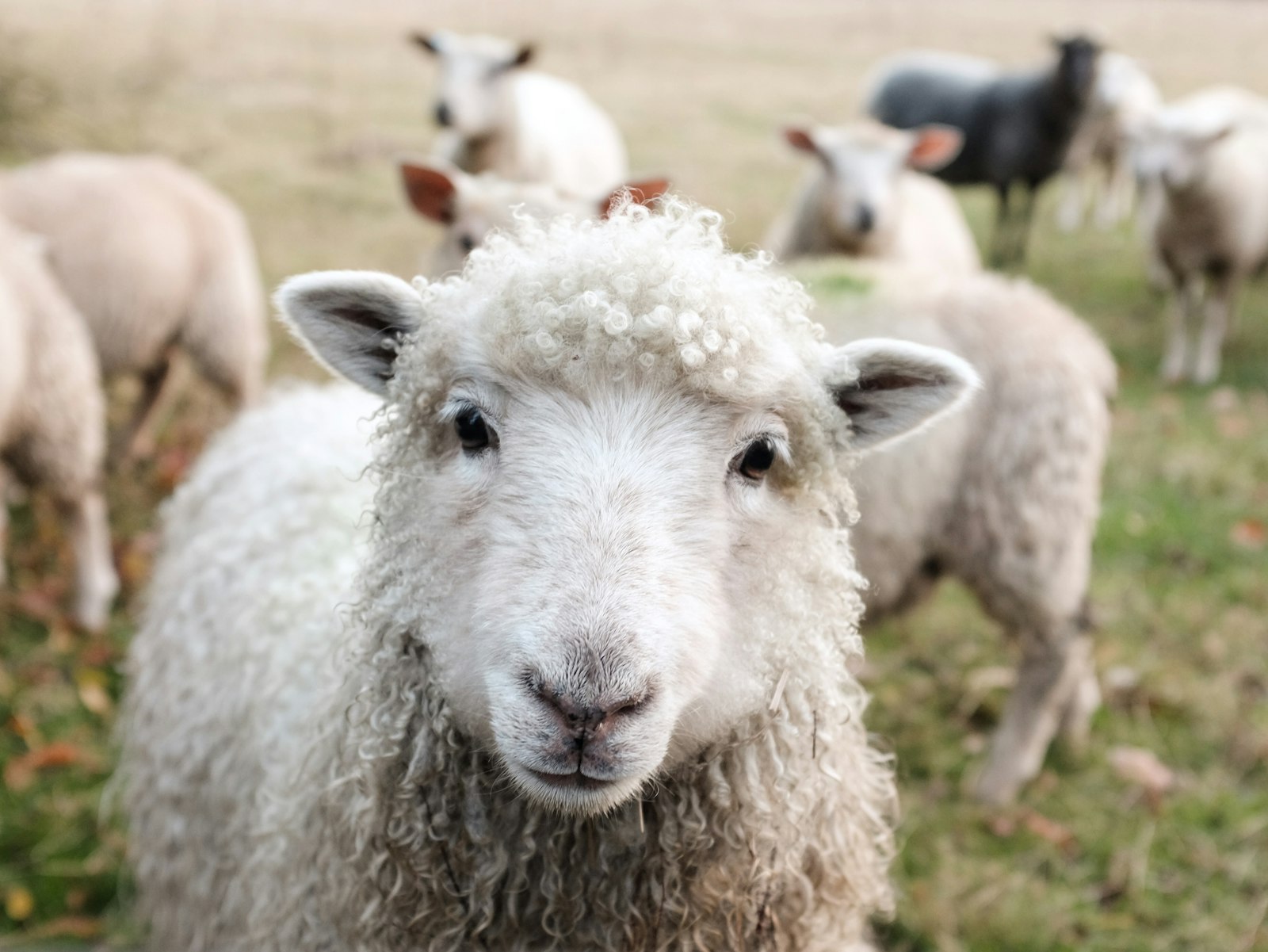
Every skein has a route behind it. An animal or a plant, someone who sheared or harvested it, a mill that cleaned and spun it, often a dyer, a shop, and finally your hands. Makers are curious about that route, and writing about it well is one of the most generous things a craft blog can do. It helps other people choose materials, and it gives credit to work that is usually invisible.
It is also an easy place to say more than you know. A label, a shop description and a nice feeling in the hand can quietly turn into confident claims about farming, welfare or the environment. What follows is how we would write about materials so the post is useful, specific and honest about where your knowledge stops.
Start with what you actually know
Before you write a sentence, sort your information into three piles:
- What you saw or did yourself. You bought it at a farm gate, you spun it, you washed a swatch and watched it bloom.
- What someone told you. The label, the seller's website, a conversation with the dyer at a market stall.
- What you assume. That a small producer must be gentler, that a natural dye must be safer, that local means low-impact.
The first pile you can write about in your own voice. The second you can pass on, as long as you say where it came from. The third pile usually belongs out of the post, or in it only as a clearly marked question.
Name the parts of the chain plainly
Readers who care about materials want specifics, and most of them can be given without any special knowledge. For a yarn, try to cover:
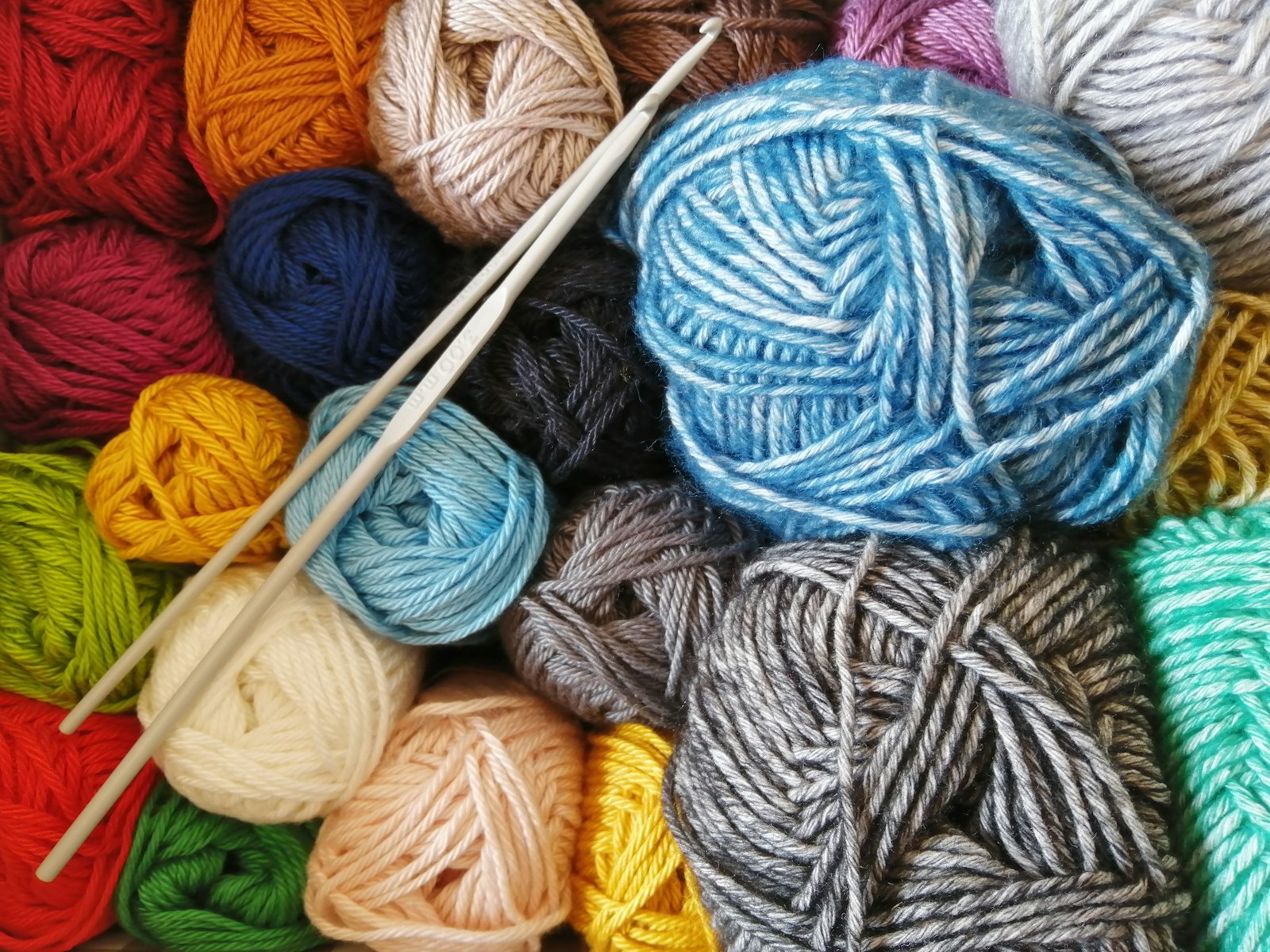
- Fibre content, exactly as the label gives it, including small percentages of nylon or silk. Those small amounts change how a yarn wears.
- Breed or plant, if it is known. Many sheep breeds produce wool with a recognisable character, and naming the breed is far more useful than the word "wool" on its own.
- Where it was grown, spun and dyed, which are often three different places. If you only know one of them, say which one.
- How it was spun, if the maker says: woollen-spun yarns tend to be airy and light, worsted-spun ones smoother and denser. You can describe the result even when you do not know the method.
- How it was dyed: undyed, hand-dyed, mill-dyed, natural dyes or synthetic. Again, only as far as you know it.
When a step is unknown, write "I don't know where this was spun" rather than leaving a gap the reader will fill with a guess. A blank stated plainly is information too.
Keep the big words on a short lead
Some words carry far more weight than they seem to: sustainable, ethical, eco, cruelty-free, non-toxic. They are often used on labels in good faith, but they rarely come with a definition, and a reader cannot check them.
If you want to use one, attribute it and, where you can, replace it with the concrete fact underneath. Compare these two sentences:
This is an ethical, sustainable yarn.
The farm describes its flock as unmulesed and says the wool is scoured and spun at a mill in the same region. I haven't visited either.
The second is longer and less glossy, and readers can do far more with it. It tells them what was claimed, by whom, and how far you can vouch for it. If a certification is involved, name the certification itself and link to the certifying body's own explanation, rather than paraphrasing what it guarantees.
The same goes for comparisons. "Better for the planet than acrylic" is a large claim with a lot of argument behind it on all sides. If the subject interests you, write a separate, carefully sourced post about it; do not slip it into a review of one skein.
Describe the material in the hand
This is where your own experience is worth most, because no label can do it. A few things readers consistently want to know:
- Feel before and after washing. Many wools soften noticeably with the first wash; some do the opposite.
- Bloom and halo: does the yarn puff up and fill in the stitches, or stay crisp? Is there a fuzzy halo, as with mohair or some alpaca blends?
- Stitch definition: do cables and textures stand out, or soften into the fabric?
- Behaviour while working: does it split, snag, or untwist? Is the colour consistent between skeins?
- Wear over time, if you have had the finished piece for a while: pilling, stretching, how it handled a season of use.
Photographs help here more than anywhere. A close shot of a washed swatch next to an unwashed one shows bloom better than any adjective. Our post on photographing a finished piece has some notes on getting fibre colour and texture to read honestly on screen.
Credit the people along the way
Small farms, mills and dyers often have no budget to explain what they do. A clear mention with a link to their own site is useful to them and to your readers. Links in WoolMap posts are ordinary links, so you can point straight to the source.
Ask before you quote someone at length, or before you publish details from a private conversation. A dyer chatting at a market stall has not agreed to be interviewed. Paraphrase what they told you, say it came from a conversation, and let them correct it if they want to.
And keep the reader's interest in view. If you were given the yarn for free, say so near the top. It does not make your opinion worthless; it lets readers weigh it.
When you don't know, say what you would like to know
Some of the best materials posts end with open questions. Where was this spun? Why does this colourway vary so much between batches? Does anyone know how this blend behaves after a few years? Questions like that invite readers who do know to answer in the comments, and they model the habit of not pretending.
If the material goes into a pattern you are publishing, carry the useful facts across: weight, fibre, metres per skein, and what to look for in a substitute. We go through that list in writing a pattern other makers can follow. A good materials post and a good pattern share one quality: they leave the reader able to make an informed choice of their own.